
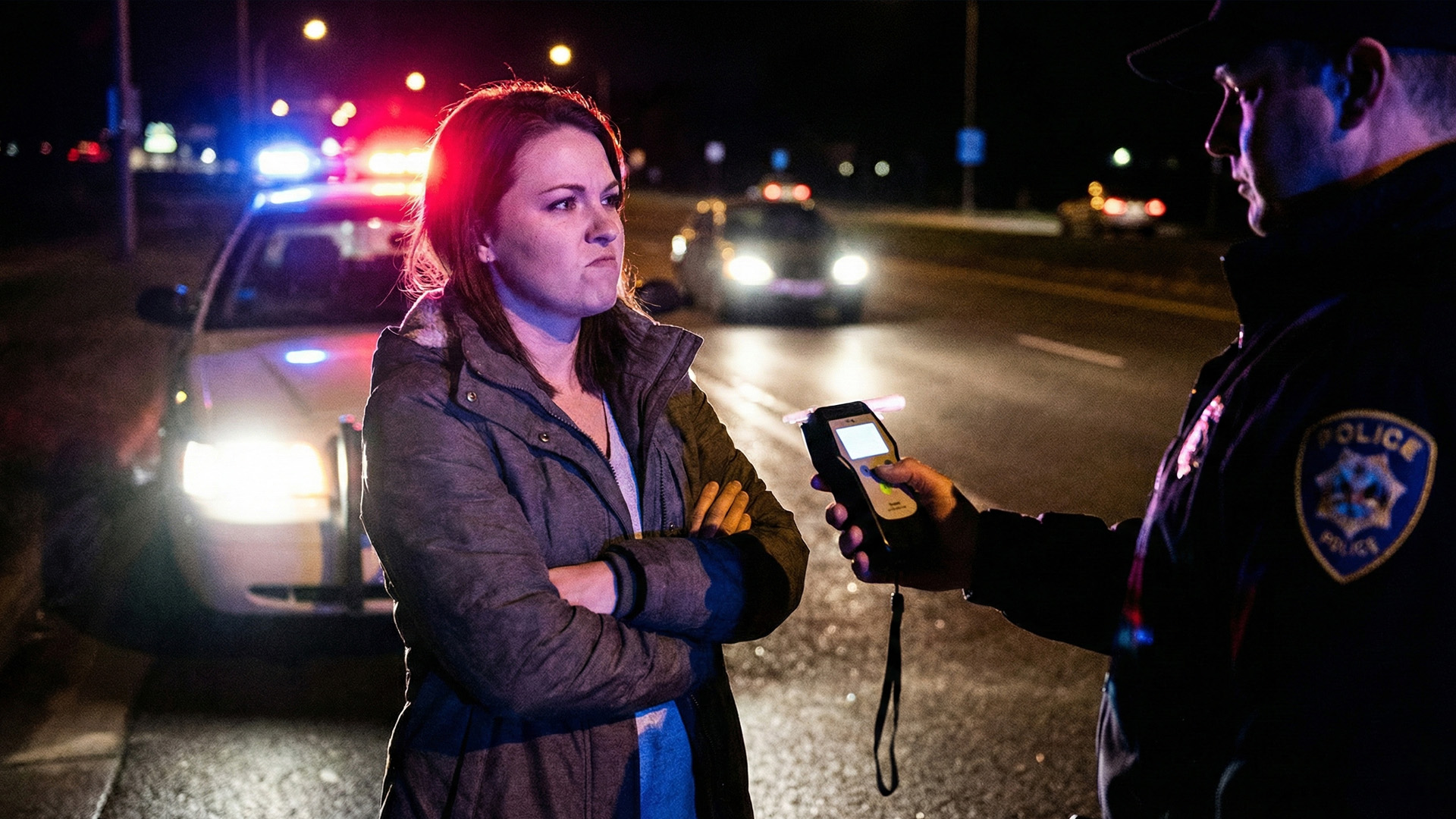

Is a DUI a felony? This is the first question that races through your mind when you see those flashing blue lights in your rearview mirror. The short answer is: it depends. While most first-time offenses are misdemeanors, specific factors can instantly upgrade the charge.
The answer isn’t a simple “yes” or “no.” It depends entirely on where you are and what happened.
Generally speaking, a standard, first-time offense is often classified as a misdemeanor. However, specific “aggravating factors” can instantly upgrade that charge to a felony, leading to prison time, massive fines, and a permanent criminal record.
In this guide, we will decode the legal jargon, look at specific state laws (like California, Texas, and Florida), and discuss what real people are saying about their experiences.
Table of Contents
The General Rule: Misdemeanor vs. Felony DUI
For most drivers in the United States, a first-time offense without any injuries or property damage is charged as a misdemeanor.
A misdemeanor is serious, but it typically doesn’t carry the life-altering weight of a felony. However, don’t let your guard down. The search volume for “is a DUI a felony or misdemeanor” is high because the line between the two is often thinner than you think.

A felony DUI is reserved for cases that are considered “aggravated.” This means the court sees your actions not just as a mistake, but as a severe threat to public safety.
When Does a DUI Become a Felony? (The Danger Zones)
If you are wondering “what is a felony DUI,” look for these four major triggers. If any of these apply, you are likely looking at felony charges:
1. Bodily Injury or Death
This is the most serious factor. If you are involved in an accident while under the influence and someone (a passenger, another driver, or a pedestrian) is hurt or killed, the charge almost always elevates to a felony.
- Search Insight: Many people frantically search “is a DUI with injury a felony in California” or Texas. The answer is almost universally yes.
2. Multiple Prior Convictions (Habitual Offender)
Courts are lenient once, maybe twice. But eventually, they draw a line.
- How many DUIs is a felony? This varies by state.
- In many states, a 3rd DUI is a felony.
- In others, it might be the 4th offense.
- Real-world check: If you have prior convictions within a “lookback period” (usually 7–10 years), the court treats you as a repeat offender.
3. Excessively High BAC
Blowing a 0.08% is illegal. But blowing a 0.15% or higher (often called “Super Drunk” laws) can trigger enhanced penalties, sometimes pushing a misdemeanor toward felony territory depending on the jurisdiction.
4. Children in the Vehicle
Driving drunk is bad. Driving drunk with a child in the car is often viewed as child endangerment. This can lead to a separate felony charge on top of the DUI.

State-by-State Breakdown: Is a DUI a Felony in CA, TX, & FL?
Laws change the moment you cross state lines. Based on recent legal trends, here is a breakdown of the most common questions.
California
Is a DUI a felony in California? Usually, a standard first, second, or third DUI is a misdemeanor. However, a 4th DUI within 10 years is a felony. Also, if you cause injury (Vehicle Code 23153), it becomes a “wobbler,” meaning the prosecutor can choose to charge it as a felony.
- Keyword Note: Users frequently ask, “is a first-time DUI a felony in California?” typically, the answer is no, unless injury is involved.
Texas
Is a DUI a felony in Texas? Texas is tough on DWIs. A third offense is a 3rd-degree felony. Additionally, DWI with a Child Passenger (under 15 years old) is automatically a State Jail Felony, even if it is your very first offense.
Florida
Is a DUI a felony in Florida? Similar to other states, a third DUI can be a felony if it occurs within 10 years of a prior conviction. A fourth DUI is always a third-degree felony, regardless of when the priors occurred. Serious bodily injury will also result in a third-degree felony charge.
Other States at a Glance:
- Is a DUI a felony in Illinois? Aggravated DUI (felony) applies to 3rd offenses or DUIs committed while driving a school bus.
- Is a DUI a felony in Pennsylvania (PA)? PA uses a tiered system. High BAC or refusal to test can lead to harsher penalties, and a 3rd offense is a felony.
- Is a DUI a felony in Georgia? Typically a misdemeanor, but becomes a felony if you are declared a “Habitual Violator” (3 convictions in 5 years).
- Is a DUI a felony in New York (NY)? A first offense is a misdemeanor, but a second offense within 10 years is a Class E felony.
Real Talk: Community Insights (Reddit & Quora)
To give you a realistic perspective—not just a legal one—we looked at discussions on platforms like Reddit’s r/legaladvice and r/dui.
The “Standard Plea” Reality Many users share stories of being charged with a felony initially (perhaps due to a high BAC or a minor accident), but getting it pleaded down to a misdemeanor. One user noted, “I was terrified because my ticket said felony, but my lawyer got it reduced to a misdemeanor reckless driving.”
The “Real Incident” Warning Consider the case often discussed in legal circles regarding “imputed malice.” In states like California, if you are convicted of a DUI, you often have to sign a “Watson advisement.” This states that you understand driving drunk kills people. If you get another DUI later and kill someone, you can be charged with murder (a felony), not just manslaughter, because you were formally warned.
FAQs: Answering Your Burning Questions
Many drivers ask, is a DUI a felony if it’s my first time?
Usually, no.
Is a DUI a felony in Ohio or Michigan?
In Ohio, a 4th OVI (Operating Vehicle Impaired) in 10 years is a felony. In Michigan, a 3rd offense is a felony regardless of how much time has passed since the previous ones.
Is 2nd DUI a felony?
In most states (like CA, PA, WA), a second DUI is still a misdemeanor, albeit with mandatory jail time and license suspension. However, in New York, a second offense is a felony.
Will a DUI show up on a background check?
Yes. Whether it is a misdemeanor or a felony, it is a criminal record. However, felony convictions appear much more severe to potential employers.
The Bottom Line
Ultimately, the answer to ‘is a DUI a felony‘ usually comes down to your criminal history and whether anyone was hurt.
If you have been arrested, do not rely solely on internet searches. The difference between a misdemeanor and a felony often comes down to the skill of your defense attorney and the specific “aggravating factors” of your case.
Disclaimer: This article is for informational purposes only and does not constitute legal advice. Laws vary by state and change frequently. Always consult with a qualified attorney.